"Why are Bay Area roads most slippery when the rain first begins, and what can drivers do during the first 10 to 20 minutes to stay safer on wet roads?"
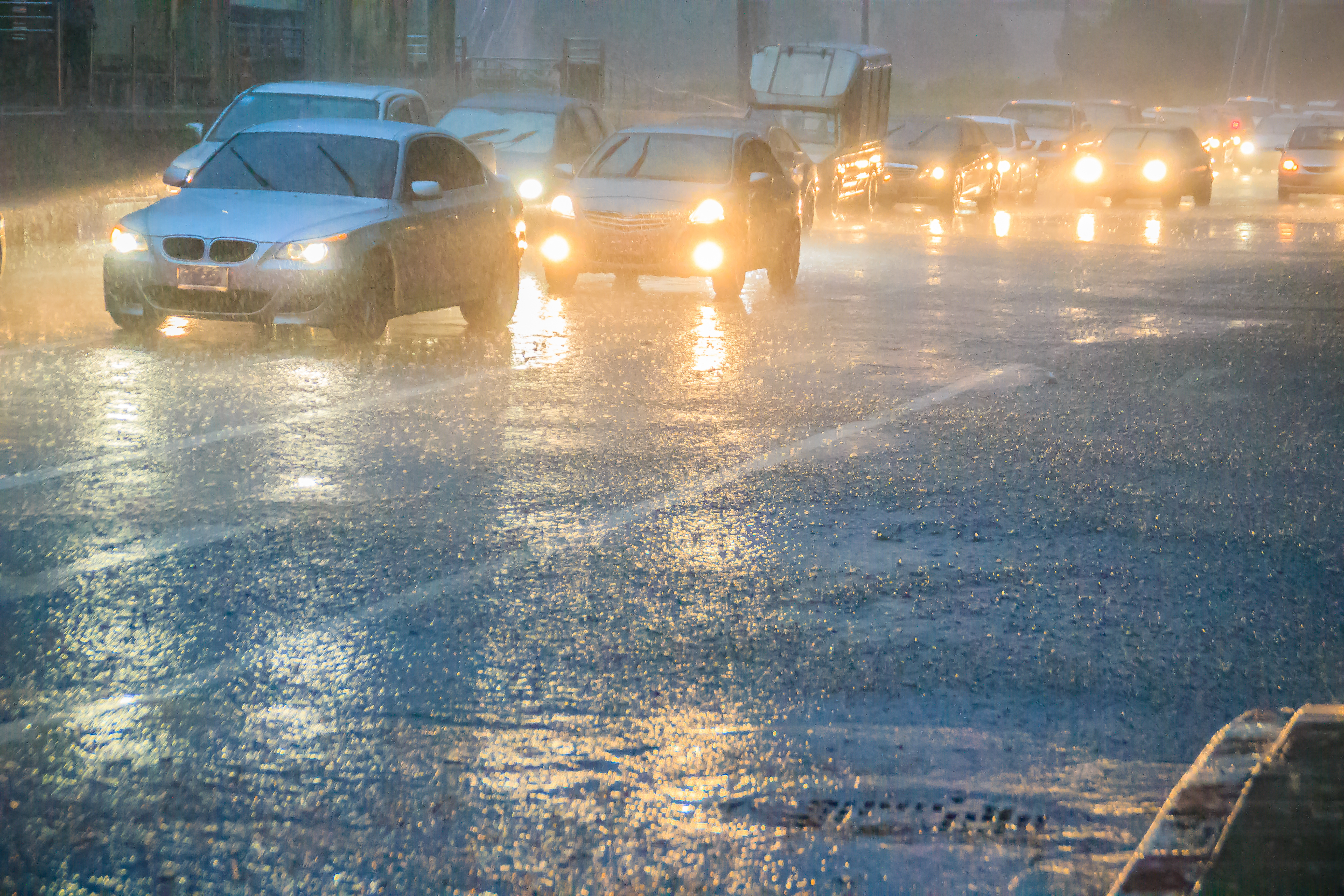
As the rain steadily falls upon the Bay Area, drivers are understandably apprehensive about their safety while navigating wet roads. The window of greatest danger while driving in the rain typically spans the first 10 to 20 minutes after rain begins. The first rainfall after a dry stretch, including the first storms of the season, can be especially hazardous.
When vehicles are on the road, they release small amounts of oil from their engines and other parts. This oil doesn’t vanish; it remains on the road’s surface. As more cars travel the same routes, this oil steadily accumulates, creating a thin layer on the pavement. When rain begins to fall, the rainwater acts like a mixing agent, interacting with the accumulated oil and causing it to lift off the road surface. This mix of rain and accumulated oil creates a slick coating on the road, making it a slippery surface. This slickness reduces friction between a car’s tires and the road, decreasing traction. As a result, it is more challenging for a car’s tires to grip the road securely, potentially causing a vehicle to slide more easily and increasing the risk of losing control.
While this is largely outside the driver’s control, there are several things that drivers can do to make themselves safer on the road, including:
While the dangers posed by rain-soaked roads are concerning, understanding the contributing factors empowers drivers to take proactive measures for safer journeys. Recognizing that the first minutes of rainfall present heightened risks due to the mixing of accumulated oil and water on road surfaces, drivers can prioritize certain precautions to mitigate these dangers.
For more information, visit our Personal Injury page online.
Christopher B. Dolan leads a team of attorneys in Los Angeles, Oakland, Redondo Beach, and San Francisco, representing personal injury, discrimination, and employment law cases. We are the best lawyers we hope you’ll never need. Our successful courtroom cases have resulted in our recognition for excellence by:
Request a free case evaluation by filling out our online form or by calling us at (415) 421-2800.
Locations
We have 4 locations to visit us at.